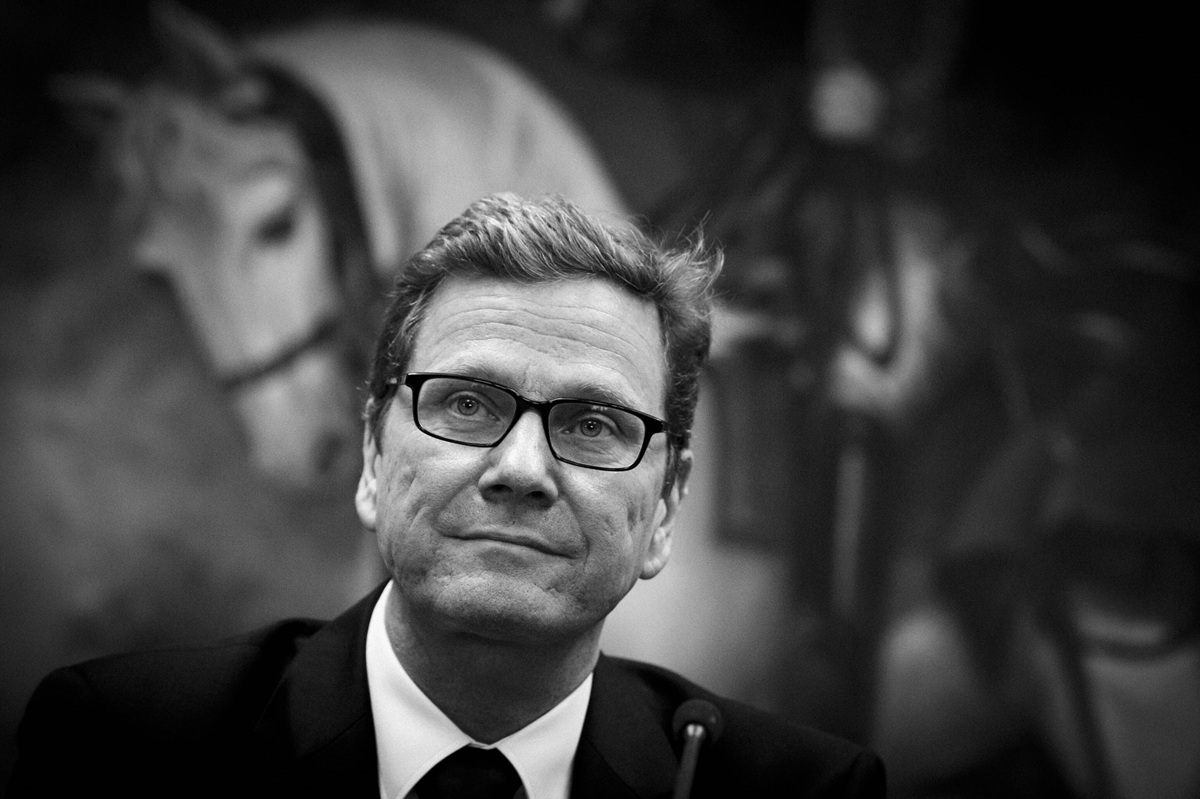
Confirming the Sad News: Guido Westerwelle's Passing
For those asking, "Ist Guido Westerwelle Tot?" (Is Guido Westerwelle dead?), the answer, regrettably, is yes. Germany and the world lost a prominent political figure with the passing of Guido Westerwelle, the former German Foreign Minister and leader of the Free Democratic Party (FDP). He died at the young age of 54 in the University Hospital of Cologne, succumbing to a particularly aggressive form of leukemia. His death, on a Friday, sent shockwaves across the nation, marking the end of a remarkable career and a personal battle fought with immense courage.
Westerwelle's unexpected demise came just a year and a half after his diagnosis of acute myeloid leukemia in June 2014. This devastating news arrived merely six months after he had stepped down from his pivotal role at the Foreign Office. His withdrawal from public life following the diagnosis was a testament to the severity of his illness, yet he continued to inspire many with his public fight against the disease.
His passing sparked an outpouring of grief and remembrance from political leaders and the public alike, reflecting his enduring impact on German society. To understand the full scope of this loss, it's essential to look back at the life and legacy of a man who, for decades, stood at the forefront of Germany's political landscape. You can learn more about the immediate circumstances of his passing here: Guido Westerwelle Dead at 54: Ex-Minister Succumbs to Leukemia.
A Towering Figure in German Politics: From Opposition to Foreign Minister
Guido Westerwelle was undoubtedly one of the most influential and recognizable faces in German politics for an entire generation. His career began in the late 1980s, first in Bonn and later in Berlin, where he steadily rose through the ranks of the liberal FDP party. Known for his sharp wit, rhetorical prowess, and often unconventional approach, he became synonymous with the FDP's brand of classical liberalism.
For many years, Westerwelle spearheaded the FDP's efforts from the opposition benches, tirelessly advocating for lower taxes, reduced bureaucracy, and individual freedoms. His perseverance paid off significantly in 2009 when he successfully led the FDP back into government, forming a "black-yellow" coalition with Angela Merkel's Christian Democratic Union (CDU). This alliance marked a high point in his political career.
In this new government, Westerwelle assumed two critical roles: Vice-Chancellor and Foreign Minister. As Foreign Minister, he quickly established himself on the international stage, championing multilateralism, human rights, and a strong European Union. His tenure saw Germany navigate complex global challenges, from the Eurozone crisis to evolving relationships with key international partners. He was instrumental in shaping Germany's diplomatic approach, often emphasizing dialogue and peaceful resolution. However, the subsequent 2013 federal election proved a harsh turning point for the FDP under his leadership, failing to secure enough votes to enter the Bundestag—a historic blow for the party.
The Battle with Leukemia: A Private Fight in the Public Eye
The diagnosis of acute myeloid leukemia in June 2014 was a cruel twist of fate for Westerwelle, coming unexpectedly during preparations for a routine knee operation. He had initially sought medical attention after sustaining a meniscus injury while jogging on Mallorca, highlighting how even seemingly minor ailments can sometimes reveal far more serious underlying conditions. The discovery of abnormal blood values during pre-operative checks led to the devastating diagnosis of a particularly aggressive form of blood cancer.
Following his diagnosis, Westerwelle largely withdrew from the political spotlight, dedicating his energy to fighting the disease. Despite the immense personal challenge, he chose to share aspects of his struggle, releasing a book and appearing in a documentary that offered an intimate look into his battle. This decision to be open about his illness was remarkable, allowing the public to witness his resilience and resolve. It underscored his bravery, not just as a politician, but as a human being facing extraordinary adversity.
His fight against leukemia served as a poignant reminder of the fragility of life and the unforeseen challenges that can strike anyone, regardless of their public standing or personal achievements. It also subtly highlighted the importance of health awareness and early diagnosis, even when symptoms appear unrelated to severe conditions.
A Legacy Beyond Politics: Grief, Reflection, and Personal Life
The news of Guido Westerwelle's death was first announced by the Westerwelle Foundation, which he had established after leaving the Foreign Office. The announcement was accompanied by a deeply moving photo of Westerwelle with his husband, Michael Mronz, alongside a powerful message: "We fought. We had the goal in sight. We are grateful for an incredibly wonderful time together. Love remains." This message encapsulated the profound bond shared by Westerwelle and Mronz, who had been married since September 2010. Their public relationship was also a significant milestone for LGBTQ+ representation in German politics, breaking barriers and setting an example of openness and acceptance.
The outpouring of grief and shock from across Germany underscored Westerwelle's widespread respect and influence. Chancellor Angela Merkel expressed deep shock, calling his passing at 54 "truly difficult to accept" and remembering him as a "sensitive, thoughtful, reliable, and loyal person." President Joachim Gauck lauded him as a "passionate democrat and European," while Foreign Minister Frank-Walter Steinmeier remembered his predecessor as the face of an "open-minded, liberal Germany firmly anchored in the international community." Flags at the Foreign Office were lowered to half-mast in his honor, a solemn tribute to a man who had dedicated so much to his country's diplomatic standing.
Beyond the political accolades, Westerwelle's legacy is also one of unwavering commitment to his ideals. His journey from an aspiring young politician to Vice-Chancellor and Foreign Minister demonstrated a steadfast belief in liberal principles. Even in his personal battle against illness, his dignity and courage shone through. The collective sorrow that swept Germany at his death, documented in articles like Germany Mourns Guido Westerwelle: Leaders & Nation in Shock, is a testament to the lasting impact he had on both his political peers and the wider populace.
Lessons from a Life in Public Service
Guido Westerwelle's life offers several insights, not just into German politics, but into the broader human experience:
- The Human Element in Politics: Westerwelle's public battle with a severe illness reminded everyone that behind every political title is a human being facing personal struggles, often with immense dignity.
- Resilience and Perseverance: His career was marked by highs and lows, including leading his party back to government after years in opposition and then facing a significant electoral defeat. Through it all, he demonstrated remarkable resilience.
- Advocacy for Openness: His openness about his personal life and his fight against cancer helped destigmatize both discussions about sexuality in public life and serious health challenges.
- The Value of Public Service: His dedication to Germany and European integration, as noted by his colleagues, highlights the profound impact individuals can have through committed public service.
Conclusion: Remembering a Statesman and a Fighter
Guido Westerwelle's death at 54 was a profound loss for Germany and for European politics. From his tenacious years in opposition to his influential tenure as Vice-Chancellor and Foreign Minister, he left an indelible mark on his country. He was a passionate advocate for liberal values, a committed European, and a statesman who commanded respect on the global stage. His final years were defined by a courageous and public battle against a devastating illness, faced with a strength that inspired many.
His memory endures as a testament to political dedication, personal courage, and an unwavering belief in a free and open society. Guido Westerwelle will be remembered not only for his significant political achievements but also for the dignified manner in which he navigated life's greatest challenges, leaving behind a legacy of integrity, passion, and enduring love.